.jpg)
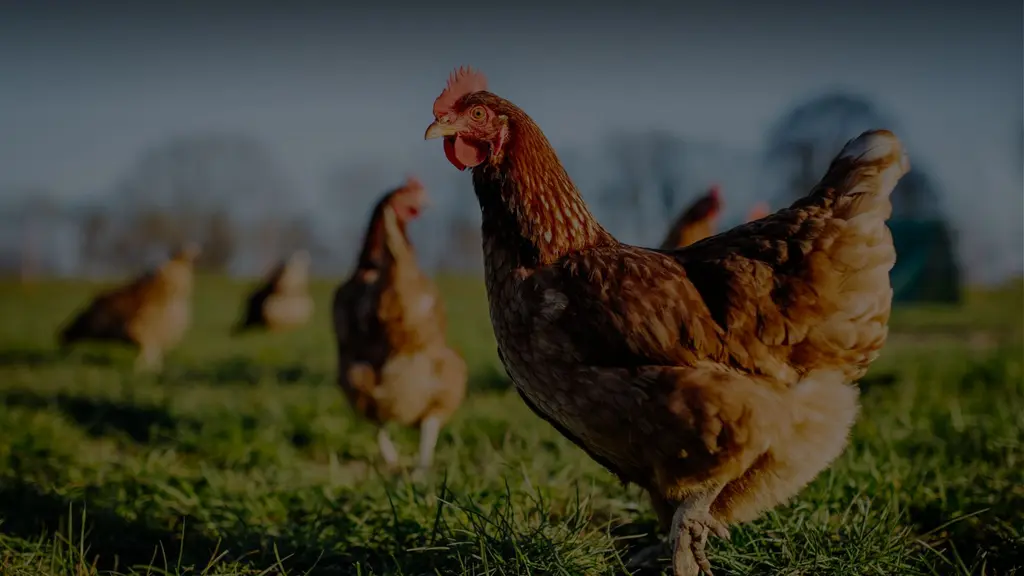
The Black Soldier Fly (Hermetia illucens) has emerged as one of the most promising alternative protein sources in modern poultry nutrition. As the livestock industry faces mounting pressure to find sustainable, cost-effective, and nutritionally superior feed alternatives, BSF larvae have captured the attention of farmers, researchers, and agricultural innovators worldwide. These remarkable insects offer a compelling solution that addresses multiple challenges simultaneously: providing exceptional nutrition for birds while contributing to waste reduction and environmental sustainability.
Understanding the Black Soldier Fly
Before diving into the specific benefits for poultry, it’s essential to understand what makes the Black Soldier Fly such a unique and valuable insect. Native to the Americas but now found across tropical and temperate regions globally, the BSF has a fascinating life cycle that makes it ideally suited for integration into agricultural systems.
Life Cycle Overview
The BSF undergoes complete metamorphosis through four distinct stages:
- Egg Stage (4 days): Female flies lay clusters of 500-900 eggs in dry crevices near decomposing organic matter
- Larval Stage (14-22 days): The most nutritionally valuable stage, where larvae voraciously consume organic waste and accumulate nutrients
- Prepupal Stage (7-10 days): Larvae stop feeding, empty their gut, and seek dry locations for pupation
- Adult Stage (5-8 days): Adults do not feed, focusing solely on reproduction
The larval stage is particularly relevant for poultry nutrition, as this is when the insects reach their peak nutritional density. During this phase, larvae can increase their body weight by 10,000 times, converting low-value organic waste into high-quality protein and fat.
Why BSF Stands Out Among Insect Proteins
While several insect species are being explored for animal feed—including mealworms, crickets, and house flies—BSF larvae offer distinct advantages:
- Non-pest status: Adult BSF do not bite, sting, or transmit diseases
- Rapid growth: Larvae reach harvestable size in just 2-3 weeks
- Versatile diet: Can process a wide range of organic waste streams
- Self-harvesting behavior: Prepupae naturally migrate away from food sources, simplifying collection
- Pathogen reduction: Larvae significantly reduce harmful bacteria in waste substrates
Comprehensive Nutritional Profile
BSF larvae deliver an exceptional nutritional package that rivals or exceeds traditional protein sources like soybean meal and fishmeal. Understanding this profile in detail helps explain why poultry thrive on BSF-supplemented diets.
Protein Content and Quality
BSF larvae contain between 35-45% crude protein on a dry matter basis, with some studies reporting values as high as 63% depending on the substrate and harvesting stage. More importantly, the protein quality is outstanding:
Essential Amino Acid Profile (g/100g protein):
| Amino Acid | BSF Larvae | Soybean Meal | Fishmeal |
|---|---|---|---|
| Lysine | 6.0-7.5 | 6.1 | 7.5 |
| Methionine | 1.5-2.5 | 1.4 | 2.8 |
| Threonine | 3.5-4.5 | 3.8 | 4.1 |
| Tryptophan | 0.5-1.0 | 1.3 | 1.0 |
| Arginine | 5.0-6.0 | 7.2 | 5.8 |
| Leucine | 6.5-8.0 | 7.5 | 7.2 |
| Isoleucine | 4.0-5.0 | 4.5 | 4.2 |
| Valine | 5.5-7.0 | 4.7 | 5.0 |
The amino acid profile of BSF larvae closely matches the requirements of poultry, particularly for lysine and methionine—the two most limiting amino acids in conventional poultry diets. This means birds can efficiently utilize BSF protein for muscle development, feather growth, and egg production.
Fat Content and Fatty Acid Composition
BSF larvae are remarkably rich in lipids, containing 25-45% fat on a dry matter basis. The fatty acid composition is predominantly saturated, with lauric acid (C12:0) being the most abundant at 21-50% of total fatty acids.
Key Fatty Acids in BSF Larvae:
- Lauric acid (C12:0): 21-50% - Known for antimicrobial properties
- Palmitic acid (C16:0): 10-16%
- Oleic acid (C18:1): 12-25%
- Linoleic acid (C18:2): 4-15%
- Myristic acid (C14:0): 5-12%
The high lauric acid content is particularly noteworthy. In the digestive system, lauric acid converts to monolaurin, a compound with potent antimicrobial, antiviral, and antiprotozoal properties. This natural defense mechanism helps protect poultry from pathogens without the need for antibiotics.
Mineral Content
BSF larvae are exceptional sources of minerals critical for poultry health:
Calcium: 5-8% of dry matter (compared to 0.2-0.3% in soybean meal) Phosphorus: 0.9-1.5% of dry matter Calcium:Phosphorus Ratio: Approximately 3:1 to 8:1
This naturally high calcium content is particularly valuable for laying hens, which require substantial calcium for eggshell formation. The calcium in BSF larvae is also highly bioavailable, meaning birds can absorb and utilize it efficiently.
Other Essential Minerals:
- Iron: 100-400 mg/kg
- Zinc: 100-200 mg/kg
- Manganese: 200-400 mg/kg
- Copper: 10-20 mg/kg
- Selenium: 0.3-0.5 mg/kg
Chitin and Its Prebiotic Effects
BSF larvae contain 5-8% chitin, a polysaccharide that forms the insect’s exoskeleton. While chitin itself is not digestible by poultry, it offers several indirect benefits:
- Acts as a prebiotic fiber, promoting beneficial gut bacteria
- May enhance immune function through immune system modulation
- Can improve gut morphology and nutrient absorption
- Possesses antimicrobial properties against certain pathogens
Research suggests that moderate levels of chitin in poultry diets (below 1% of total feed) do not negatively impact digestibility and may actually improve gut health.
Health Benefits for Poultry
The nutritional profile of BSF larvae translates into tangible health improvements across various aspects of poultry production.
Immune System Enhancement
Multiple studies have demonstrated that BSF-fed poultry exhibit stronger immune responses:
Mechanisms of Immune Support:
- Antimicrobial Peptides (AMPs): BSF larvae contain natural antimicrobial compounds that help combat pathogens
- Lauric Acid Effects: Disrupts the lipid membranes of gram-positive bacteria, viruses, and protozoa
- Chitin-Induced Immunity: Chitin fragments stimulate immune cells and enhance disease resistance
- Improved Gut Health: A healthier gut microbiome leads to stronger overall immunity
Research has shown that chickens fed BSF larvae exhibit:
- Higher antibody titers in response to vaccinations
- Reduced incidence of common poultry diseases
- Lower mortality rates during disease challenges
- Faster recovery from illness
Gut Health and Digestive Function
The gut is often called the “second brain” of animals, and its health profoundly impacts overall well-being. BSF larvae positively influence poultry gut health through several mechanisms:
Microbiome Modulation:
- Increased populations of beneficial bacteria (Lactobacillus, Bifidobacterium)
- Reduced populations of pathogenic bacteria (Salmonella, Clostridium)
- Greater microbial diversity, associated with better health outcomes
Gut Morphology Improvements:
- Increased villus height in the intestinal lining
- Greater villus:crypt ratio (indicating improved nutrient absorption)
- Enhanced intestinal barrier function
- Reduced inflammation markers
Practical Benefits:
- Better feed conversion efficiency
- Reduced incidence of diarrhea and digestive upset
- Lower susceptibility to enteric diseases
- Improved nutrient absorption and utilization
Feather Quality and Plumage
The high-quality protein and balanced amino acid profile of BSF larvae directly supports feather development:
- Methionine and cysteine: Essential sulfur-containing amino acids critical for keratin synthesis
- Complete protein: Provides all building blocks for strong, healthy feathers
- Fat-soluble vitamins: Support feather pigmentation and luster
Poultry farmers report noticeable improvements in:
- Feather coverage and density
- Feather strength and resilience
- Reduced feather pecking (often linked to protein deficiency)
- Faster feather regrowth after molting
Bone Health and Skeletal Development
The exceptional calcium content and favorable calcium:phosphorus ratio in BSF larvae make them ideal for supporting skeletal health:
Benefits for Growing Birds:
- Stronger bone development during growth phases
- Reduced incidence of leg problems and skeletal abnormalities
- Better bone mineralization
- Improved structural support for increasing body weight
Benefits for Laying Hens:
- Adequate calcium reserves for eggshell formation
- Reduced risk of osteoporosis and cage layer fatigue
- Maintained bone density throughout the laying cycle
- Fewer broken bones during handling
Stress Reduction and Behavioral Benefits
Perhaps surprisingly, feeding live or dried BSF larvae has documented effects on poultry behavior and stress levels:
Behavioral Enrichment:
- Foraging behavior stimulation (especially with live larvae)
- Reduced boredom and associated vices
- Decreased aggression and pecking
- More natural behavioral expression
Stress Indicators:
- Lower corticosterone levels (stress hormone)
- Reduced heterophil:lymphocyte ratios (stress marker)
- Calmer flock behavior
- Improved adaptation to environmental changes
Production Performance Improvements
Beyond health benefits, BSF larvae supplementation translates into measurable improvements in poultry production metrics.
Egg Production in Laying Hens
Research consistently demonstrates positive effects on egg production:
Laying Performance:
- 5-15% increase in egg production rates
- Extended peak production periods
- Reduced decline in production as hens age
- Fewer soft-shelled or shell-less eggs
Egg Quality Improvements:
- Stronger eggshells (reduced breakage)
- Enhanced yolk color (deeper orange/yellow)
- Higher yolk:albumen ratio
- Improved internal egg quality scores
- Extended shelf life
Nutritional Enhancement of Eggs:
- Higher protein content
- Improved fatty acid profile
- Increased vitamin content (especially fat-soluble vitamins)
- Greater mineral density
Growth Performance in Broilers
Meat-type poultry also benefit significantly from BSF supplementation:
Growth Metrics:
- 5-12% improvement in body weight gain
- Faster time to market weight
- More uniform flock growth
- Better muscle development
Feed Efficiency:
- Improved feed conversion ratios (FCR)
- Reduced feed costs per unit of weight gain
- Better utilization of dietary nutrients
- Less feed waste
Meat Quality:
- Improved carcass yield
- Better meat texture and tenderness
- Enhanced flavor profiles (reported by taste panels)
- Favorable fatty acid composition in meat
Other Poultry Species
While most research focuses on chickens, BSF larvae also benefit other poultry:
Ducks:
- Excellent protein source matching natural diet preferences
- Supports rapid growth typical of duck production
- Improves feather quality and waterproofing
Turkeys:
- Addresses high protein requirements of turkey poults
- Supports bone development in heavy birds
- Enhances immune function during critical growth phases
Quail:
- Ideal protein source for these small, high-metabolism birds
- Supports intensive egg production
- Improves overall flock health
Game Birds (Pheasants, Guinea Fowl):
- Mimics natural insect-based diet
- Supports feather development for aesthetic value
- Enhances disease resistance in outdoor production systems
Environmental and Sustainability Benefits
The environmental case for BSF in poultry nutrition is compelling and multifaceted.
Waste Reduction and Circular Economy
BSF larvae excel at converting organic waste into valuable feed:
Waste Processing Capabilities:
- Convert food waste, agricultural residues, and manure into protein
- Reduce organic waste volume by 50-70%
- Process waste 10-100 times faster than composting
- Eliminate odors and reduce greenhouse gas emissions from decomposition
Circular Economy Model:
- Farm waste feeds BSF larvae
- Larvae feed poultry
- Poultry manure feeds more larvae
- Frass (larval waste) serves as fertilizer
- Complete nutrient cycling achieved
Reduced Reliance on Conventional Feed Sources
Traditional poultry feed ingredients carry significant environmental burdens:
Soybean Meal Concerns:
- Linked to deforestation (especially in South America)
- High water requirements for cultivation
- Extensive land use
- Transportation emissions from global supply chains
Fishmeal Concerns:
- Contributes to overfishing and marine ecosystem damage
- Declining wild fish stocks
- Competition with human food sources
- High carbon footprint of fishing operations
BSF Advantages:
- Can be produced locally, reducing transportation
- Requires minimal land compared to crop-based proteins
- Uses waste streams rather than virgin resources
- Low water footprint
- Year-round production possible in controlled environments
Carbon Footprint Reduction
Life cycle assessments consistently show lower environmental impacts for BSF-based feeds:
- 40-60% reduction in greenhouse gas emissions versus soybean meal
- 75-90% reduction versus fishmeal
- Lower energy requirements for production
- Reduced land use change impacts
- Potential for carbon-neutral or carbon-negative production systems
Biodiversity Protection
By reducing demand for soy and fishmeal, BSF adoption helps protect:
- Tropical rainforests and their ecosystems
- Marine food webs and fish populations
- Native grasslands converted to soy production
- Freshwater resources in agricultural regions
How to Introduce BSF to Poultry Diets
Successfully integrating BSF larvae into poultry nutrition requires careful planning and implementation.
Available Product Forms
BSF larvae are available in several forms, each with advantages:
Live Larvae:
- Highest palatability and behavioral enrichment
- Requires on-farm production or frequent delivery
- Best for small-scale and free-range operations
- Stimulates natural foraging behavior
Dried Larvae (Whole):
- Convenient storage and handling
- Long shelf life (12+ months if properly stored)
- Easy to mix with existing feed
- Maintains most nutritional value
Dried Larvae (Ground/Meal):
- Uniform particle size for consistent mixing
- Ideal for pelleted feed formulations
- Easier to precisely control inclusion rates
- Most common commercial form
Defatted Meal:
- Higher protein concentration (55-65%)
- Lower fat content for specific dietary needs
- Oil extracted for other uses
- Longer storage stability
BSF Oil:
- Concentrated fat source rich in lauric acid
- Can be added separately to feeds
- Useful for energy supplementation
- Valuable antimicrobial properties
Recommended Inclusion Rates
Optimal inclusion rates vary by bird type and production stage:
Laying Hens:
- Starter (0-6 weeks): 5-10% of diet
- Grower (6-16 weeks): 7-12% of diet
- Layer (16+ weeks): 5-15% of diet
- Note: Monitor calcium levels at higher inclusion rates
Broilers:
- Starter (0-10 days): 5-8% of diet
- Grower (10-24 days): 8-12% of diet
- Finisher (24+ days): 10-15% of diet
- Can replace 50-100% of soybean meal
Ducks:
- Starter: 8-12% of diet
- Grower/Finisher: 10-15% of diet
- Breeder: 8-12% of diet
Turkeys:
- Starter: 5-10% of diet
- Grower: 8-12% of diet
- Finisher: 10-15% of diet
Transition Protocol
A gradual introduction ensures smooth adaptation:
Week 1: Introduction Phase
- Add 2-3% BSF to existing diet
- Monitor feed consumption closely
- Observe bird behavior and droppings
- Ensure adequate water availability
Week 2-3: Adjustment Phase
- Increase to 5-7% if birds are adapting well
- Continue monitoring for any digestive issues
- Adjust based on feed consumption patterns
- Note any changes in production metrics
Week 4+: Target Phase
- Gradually reach target inclusion rate
- Fine-tune based on performance data
- Consider seasonal adjustments
- Monitor long-term health indicators
Practical Tips for Success
Storage Recommendations:
- Store dried larvae in cool, dry conditions
- Keep away from direct sunlight
- Use airtight containers to prevent moisture absorption
- Check for rancidity before use (especially in warm climates)
- First-in, first-out inventory management
Mixing Guidelines:
- Ensure thorough mixing for uniform distribution
- Consider particle size compatibility with other ingredients
- For live larvae, scatter feeding encourages natural behavior
- Ground meal mixes more evenly than whole dried larvae
Water Management:
- High protein diets increase water consumption
- Ensure adequate clean water supply
- Monitor water:feed ratios
- Increase waterer capacity if needed
Monitoring Parameters:
- Daily feed consumption
- Weekly body weights (for growing birds)
- Egg production and quality (for layers)
- Mortality and culling rates
- General flock behavior and health
Economic Considerations
Understanding the economics of BSF supplementation helps make informed decisions.
Cost-Benefit Analysis
Potential Costs:
- BSF larvae or meal purchase price
- Storage and handling requirements
- Possible initial transition challenges
- Staff training on new feeding protocols
Potential Savings and Revenue:
- Reduced conventional feed ingredient costs
- Lower mortality and veterinary expenses
- Improved production efficiency
- Premium pricing for sustainably-produced products
- Reduced waste disposal costs (if producing on-farm)
Return on Investment Factors
Production Improvements That Drive ROI:
- Better feed conversion (5-10% improvement)
- Increased egg production (5-15% improvement)
- Faster growth rates (5-12% improvement)
- Reduced mortality (variable but often significant)
- Better product quality (potential for premium pricing)
Break-Even Considerations:
- BSF meal is often cost-competitive with fishmeal
- May be more expensive than soybean meal per kg
- Performance improvements often offset price premium
- Local production can dramatically reduce costs
- Waste processing value adds to economic case
On-Farm Production Potential
Producing BSF larvae on-farm can significantly improve economics:
Advantages:
- Utilizes farm waste streams
- Eliminates transportation costs
- Ensures fresh, live larvae availability
- Creates circular nutrient flow
- Additional income from excess production
Requirements:
- Suitable climate or climate-controlled facility
- Consistent waste stream
- Labor for daily management
- Initial infrastructure investment
- Regulatory compliance (varies by location)
Regulatory Landscape
The regulatory status of BSF for animal feed varies by region.
Current Status by Region
European Union:
- Approved for poultry, pig, and aquaculture feed since 2017
- Must come from authorized facilities
- Specific substrates approved for larval rearing
- Strict traceability requirements
United States:
- FDA has approved BSF larvae for poultry and swine feed
- AAFCO defines BSF larvae as an approved ingredient
- State-level regulations may apply
- Organic certification considerations vary
Canada:
- Approved as livestock feed ingredient
- Regulated under CFIA
- Specific quality and safety standards apply
Asia-Pacific:
- Rapidly evolving regulatory landscape
- China, Japan, and South Korea developing frameworks
- Strong market growth driving regulatory clarity
Other Regions:
- Many countries still developing regulations
- Often possible under general feed ingredient rules
- Recommend checking local authorities before commercial use
Quality and Safety Standards
Reputable BSF producers adhere to strict standards:
- Controlled substrate composition
- Pathogen testing and monitoring
- Heavy metal and contaminant screening
- Consistent nutritional analysis
- Traceability throughout production
- Good manufacturing practices (GMP)
Future Outlook and Research Directions
The BSF industry and its applications in poultry nutrition continue to evolve rapidly.
Ongoing Research Areas
Nutritional Optimization:
- Substrate effects on larval composition
- Processing method impacts on nutrient availability
- Optimal inclusion rates for different production systems
- Synergies with other feed ingredients
Health and Performance:
- Mechanisms of immune enhancement
- Long-term effects of BSF feeding
- Antimicrobial properties and disease resistance
- Gut microbiome interactions
Production Technology:
- Automated production systems
- Genetic improvement of BSF strains
- Novel processing technologies
- Integrated farm systems
Industry Trends
Market Growth:
- Projected 25-30% annual growth in insect protein sector
- Increasing investment in production facilities
- Growing consumer acceptance of insect-fed products
- Major feed companies entering the market
Technology Advancement:
- Increasingly automated production systems
- Improved genetics for faster growth and higher yields
- Better processing for nutrient retention
- Integration with precision agriculture
Sustainability Focus:
- Carbon footprint labeling driving demand
- Corporate sustainability commitments
- Consumer preference for sustainable products
- Regulatory incentives for circular economy approaches
Conclusion
The Black Soldier Fly represents a paradigm shift in poultry nutrition—offering a solution that simultaneously addresses nutritional quality, animal health, environmental sustainability, and economic viability. The evidence supporting BSF larvae as a poultry feed ingredient is robust and growing, with benefits spanning from improved immune function and gut health to enhanced production performance and reduced environmental impact.
For poultry producers considering BSF integration, the path forward is clear: start with small-scale trials, monitor results carefully, and scale up based on performance data. Whether sourcing commercially produced larvae or establishing on-farm production, the investment in BSF supplementation typically pays dividends through healthier birds, improved production metrics, and alignment with growing consumer demand for sustainable animal products.
As the global food system faces unprecedented challenges—from climate change to resource scarcity to growing protein demand—innovations like BSF-based animal feed offer practical solutions that benefit farmers, animals, consumers, and the planet alike. The humble Black Soldier Fly larva may well be one of the most important ingredients in building a more sustainable future for poultry production.