.jpg)
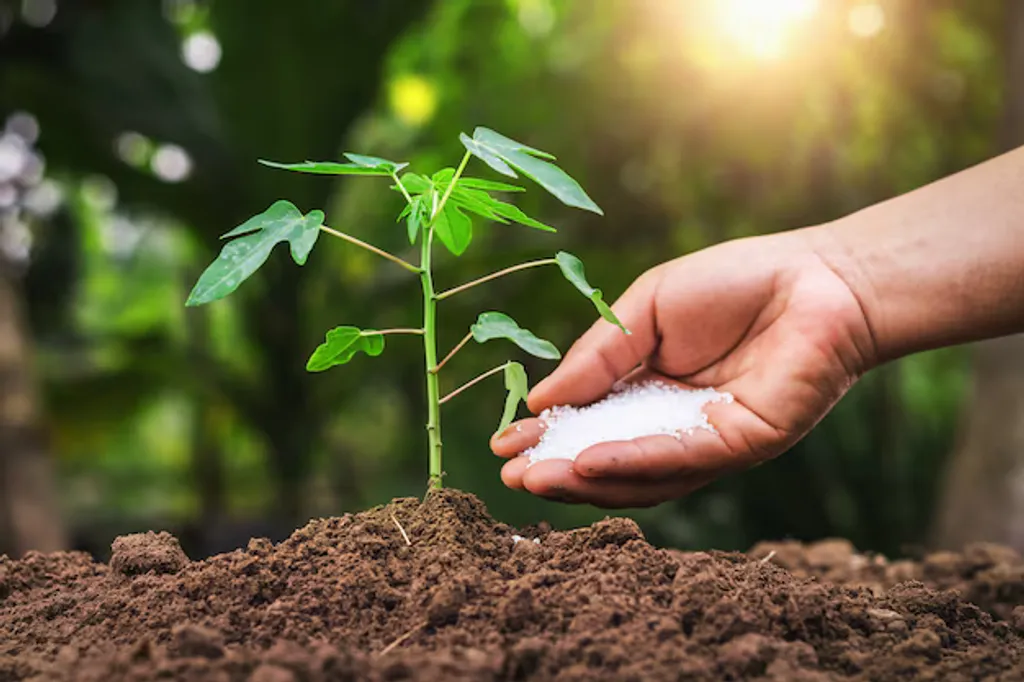
Recent peer-reviewed research published 19 January 2026 by Frontiers in Plant Science demonstrates that composted black soldier fly (BSF) frass applied at approximately 20 tons per hectare (t/ha) can outyield standard chemical fertilizers in lettuce production—and enhance soil health in key ways. The field trials, conducted in Benin, compared multiple treatments using frass, poultry manure, and inorganic fertilizers on both lettuce (Lactuca sativa) and African eggplant (Solanum macrocarpon), revealing that BSF frass offers a compelling alternative to conventional inputs. (frontiersin.org)
What the Study Did
Trials took place over two growing seasons (2022 and 2023 for lettuce; 2024 for African eggplant) across sites in Abomey-Calavi and Cotonou, Benin. Six treatments were tested for lettuce:
- BSF frass at 20 t/ha
- Poultry manure at 20 t/ha
- BSF frass (20 t/ha) + 100 kg/ha urea
- BSF frass (10 t/ha) + 100 kg/ha urea
- Chemical fertilizer (NPK 15-15-15 at 200 kg/ha) + 100 kg/ha urea
- Unfertilized soil (negative control) (frontiersin.org)
Similar comparative treatments (scaled doses of frass, poultry manure, inorganic fertilizer, control) were used for African eggplant, with yields and growth metrics tracked across weeks and harvests. (frontiersin.org)
Soils were analyzed before planting and after harvest for pH, nutrient content (N, P, K, Mg, Ca), and electrical conductivity (EC) to assess both plant-level and soil level effects. (frontiersin.org)
Key Findings
Yield and Growth for Lettuce
- The highest yields for lettuce came from BSF frass alone at 20 t/ha, reaching about 5.35 kg per 3 m² in season 1 and 5.12 kg per 3 m² in season 2. Poultry manure came next at ~4.75 and 4.91 kg/3m². In contrast, chemical fertilizer treatments lagged behind. (frontiersin.org)
- Growth traits—plant height, number of leaves, stem diameter, leaf size—were significantly better under BSF frass (20 t/ha and even 10 t/ha) than under inorganic fertilizer or no fertilizer. (frontiersin.org)
Soil Health Effects
- After harvesting lettuce, soils treated with BSF frass showed stable pH (acidic but not more so than controls), whereas chemical fertilizer plots exhibited trends toward greater acidification. (frontiersin.org)
- Phosphorus availability in soil was higher under poultry manure; BSF frass treatments also raised P relative to chemical fertilizer plots. Specific combinations like frass + urea boosted other macronutrients (K, Mg, Ca) and EC, indicating greater ion availability—but also warranting attention to potential salinity risks. (frontiersin.org)
Results for African Eggplant
- Yields of eggplant responded strongly to frass applications. The best treatments—BSF frass at 10 t/ha and 15 t/ha—produced yields up to ~5.04 kg per m² in the first harvest, significantly higher than the chemical fertilizer treatment. Lower frass rates (5 t/ha) performed similarly to poultry manure and chemical fertilizer. (frontiersin.org)
- After harvest, frass treatments showed increased soil nitrogen (total N, nitrate and ammonium forms), phosphorus, potassium, and EC compared to untreated soils. pH also edged toward neutral with frass at higher rates. (frontiersin.org)
Why Frass Outperformed
-
Slow-release nutrient profile: Composted BSF frass gradually releases nutrients, which prevents rapid leaching and allows plants to benefit over the entire growth period. In contrast, chemical fertilizers can spike nutrient levels early but dissipate or lock up later. (frontiersin.org)
-
Balanced macronutrient and soil micronutrient effects: The frass used contained relatively high phosphorus compared to the soil baseline, along with usable potassium and calcium. Organic amendments improved overall nutrient balance, rather than only targeting N or P. (frontiersin.org)
-
Support for soil structure, microbiota, cumulative fertility: Organic materials like frass and poultry manure enhance microbial activity, improve cation exchange and organic matter content, and help buffer soil pH. These effects accumulate across seasons. (frontiersin.org)
-
Less environmental stress: Frass treatments avoided some of the acidifying and nutrient loss effects commonly seen with heavy mineral fertilizer use in tropical, low-organic matter soils. (frontiersin.org)
Comparisons with Other Studies
- A study on tomatoes, kales, and French beans in Sub-Saharan Africa found that composted BSF frass, whether used alone or together with mineral fertilizers, delivered similar or superior results to both commercial organic and inorganic fertilizers. (frontiersin.org)
- Research in southeastern Madagascar showed that composted BSF frass improved maize growth, grain yield, and nitrogen use efficiency, reinforcing the idea that frass has broad applicability across crop types and settings. (frontiersin.org)
Practical Implications for Growers
If you’re considering adopting BSF frass, here’s what these results suggest, with contextual caveats:
- Use sufficient frass: 20 t/ha for lettuce seemed ideal for these trials. Lower rates work, but they did not reach the top yield levels. For other crops, like African eggplant, 10–15 t/ha showed strong results. (frontiersin.org)
- Be cautious about combination with high urea: Adding 100 kg/ha urea to frass didn’t always improve outcomes—in some cases it lowered yield compared to frass alone, likely due to nutrient imbalance or ammonia toxicity. (frontiersin.org)
- Monitor EC (salinity) and pH: High rates or high soluble salts in the frass + fertilizer treatments raised EC. Over time, this could affect soil health. Ensuring frass is well composed and composted is important. (frontiersin.org)
- Consider soil condition: The soils in the trial were depleted in N, P, K and low in organic matter. In similarly nutrient-poor soils, gains from frass will likely be greater. In more fertile soils, benefits may lean more toward long-term soil health and sustainability. (frontiersin.org)
Broader Takeaways
This research highlights several important shifts in thinking about fertilizers and sustainable agriculture:
- BSF frass offers a viable route to reduce reliance on imported or synthetic chemical fertilizers, especially in regions where those inputs are expensive or inaccessible.
- Organic waste can be turned into valuable soil amendment tools—not just biomass or animal feed—and contribute meaningfully to soil fertility and yield.
- Sustainable agriculture isn’t just about matching yield, but about building resilience: in soil chemistry, structure, nutrient cycling, and minimizing environmental side-effects.