.jpg)
Bengaluru’s Growing Waste Problem
Each day, Bengaluru produces roughly 8,000 metric tonnes of solid waste. (timesofindia.indiatimes.com) Much of this waste is organic—waste that traditional landfills cannot efficiently process. With toxic leachate, odors, and unsanitary conditions becoming serious municipal issues, city officials are under pressure to find efficient, scalable, and environmentally responsible solutions.
Why Black Soldier Fly Composting Is Being Proposed
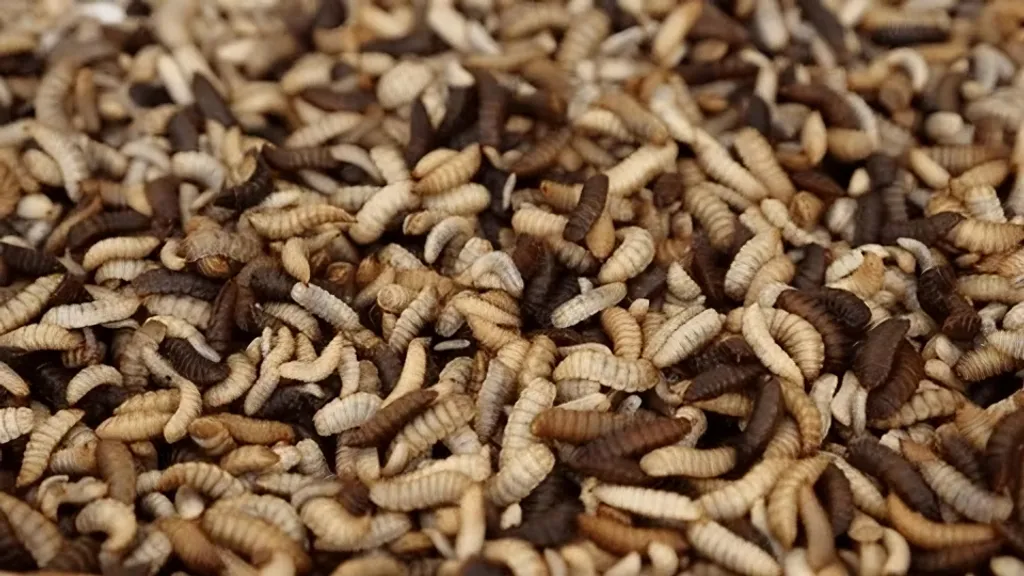
The Black Soldier Fly (BSF) technique uses larvae of Hermetia illucens to rapidly break down wet organic material. These larvae can consume food waste, market discards, and similar biodegradable material, turning them into two main products:
- Frass, a nutrient-rich residue akin to premium compost
- Insect biomass, often used in animal feed or other value-added applications
What makes BSF appealing in this case: it’s faster, often produces fewer noxious byproducts—like strong odors or methane—than classic aerobic composting. (timesofindia.indiatimes.com)
Bengaluru’s Proposal & Key Features
According to recent government announcements, this is what’s on the table:
- Revival of the old Terra Firma Bio Technologies Limited facility, which had been shut in 2016 after violations of environmental norms. The government plans to take it over to run BSF-based composting operations. (indianexpress.com)
- Acquisition of large tracts of land: 38 acres and 18 guntas in Doddaballapur, plus additional government land near Gollahalli, Uttarahalli and in other locations. (indianexpress.com)
- Plan to build four BSF-capable integrated waste processing plants across Greater Bengaluru, including at least in Bidadi and Kanakapura. (timesofindia.indiatimes.com)
- A newer legal and policy framework: oversight for environmental impact, choice of waste quotas, and suggestions to declare waste management an essential public service to reduce interference from vested interests (“garbage mafia”). (timesofindia.indiatimes.com)
Local Pushback and Concerns
Even clear plans generate resistance, particularly when they affect communities directly:
- Environmental & Health Risks: Local leaders from Doddaballapur, such as MLA Dheeraj Muniraju, have raised concerns about pollution, groundwater contamination, long-standing waste dumped in soil, and the potential for odor—all legacy issues tied to previous mismanagement. (timesofindia.indiatimes.com)
- Trust Deficit: Reopening a facility like Terra Firma—closed for violations in 2016—without strong guarantees of compliance and monitoring has stirred mistrust. (timesofindia.indiatimes.com)
- Site Suitability & Clearance: Beyond land acquisition, regulatory clearances, environmental impact assessments (EIAs), and meaningful stakeholder consultation will be essential. The government has pledged environmental clearance for new plants. (indianexpress.com)
Why This Could Be a System-Level Game-Changer
For BSF farmers and waste management advocates, Bengaluru’s proposal is noteworthy in several ways:
-
Value Recovery
Instead of treating waste as an expense to dispose of, BSF turns it into frass (high-value soil amendment) and insect protein—both viable revenue sources if properly scaled. -
Lower Emissions, Faster Decomposition
BSF larvae degrade organic waste far more quickly than compost alone, which means less time for high-emission decomposition and fewer odors. -
Urban Employment & Entrepreneurism
Setting up BSF plants generates jobs—from facilities management to downstream uses of frass and insect protein, and potentially new SMEs. -
Repeatable Model
If Bengaluru’s pilot or early plants perform well, other Indian cities (or high-waste metropolises globally) can look to replicate the model—for waste, frass, and biomass generation.
Key Success Factors
If the initiative is to succeed, several conditions must be met:
| Critical Factor | What Helps |
|---|---|
| Segregation at Source | Wet/organic waste should be separated from dry and hazardous waste. Clean substrates feed better BSF processes. |
| Environmental Controls | Proper odor mitigation, leachate control, and containment systems to avoid soil, water, or air pollution. |
| Community Engagement & Transparency | Early dialogue with affected residents, regular updates on operations, and independent monitoring build trust. |
| Reliable Supply & Demand for By-products | Steady inflow of waste, combined with strong markets for frass or biomass, ensures economic viability. |
| Supportive Policy & Legal Backbone | Declaring waste management an essential service, laws to curtail corruption or illegal dumping, and ensuring environmental clearances are robust exists. |
What to Watch for in Coming Months
As a BSF farming blog audience, here are specific markers to observe as Bengaluru’s plan evolves:
- Finalization of feasibility survey results that compare costs & benefits, especially in terms of frass quality, biomass yields, and emissions avoided.
- Approval of environmental clearances and EIA reports for proposed sites in Doddaballapur, Gollahalli, Uttarahalli, etc.
- Testing outcomes for pilot BSF plants—how they manage odor, noise, operational staff training, and regulatory oversight.
- Volume of organic waste diverted through BSF vs conventional compost or landfilling—watch especially what portion of the ~8,000 tonnes/day is redirected.
- Economic performance of the units—cost per tonne of wet waste, revenues from frass or insect biomass, O&M costs.
BSF Farming Insights & Considerations
For practitioners or bloggers deeply involved in BSF farming, these are technical and operational insights worth preparing content around:
- Feeding regimes: type of organic waste, moisture, particle size, pre-processing (grinding, removing contaminants).
- Larvae management: temperature, humidity, aeration, prevention of pests or pathogens.
- Frass quality: analysis for nitrogen, phosphorus, potassium, pH—this determines how frass will be valued in the fertilizer market.
- Integration with energy generation: proposals include biogas or gas capture—BSF alone doesn’t produce fuel, but combined systems may.
- Operational scale: comparing small decentralized units versus large institutional plants—capital costs, management complexity, hygiene, labor.
If the government, communities, and BSF practitioners align—Bengaluru could shift from treating organic waste as a problem to turning it into a resource ganglion for sustainable city planning and circular economy.