.jpg)
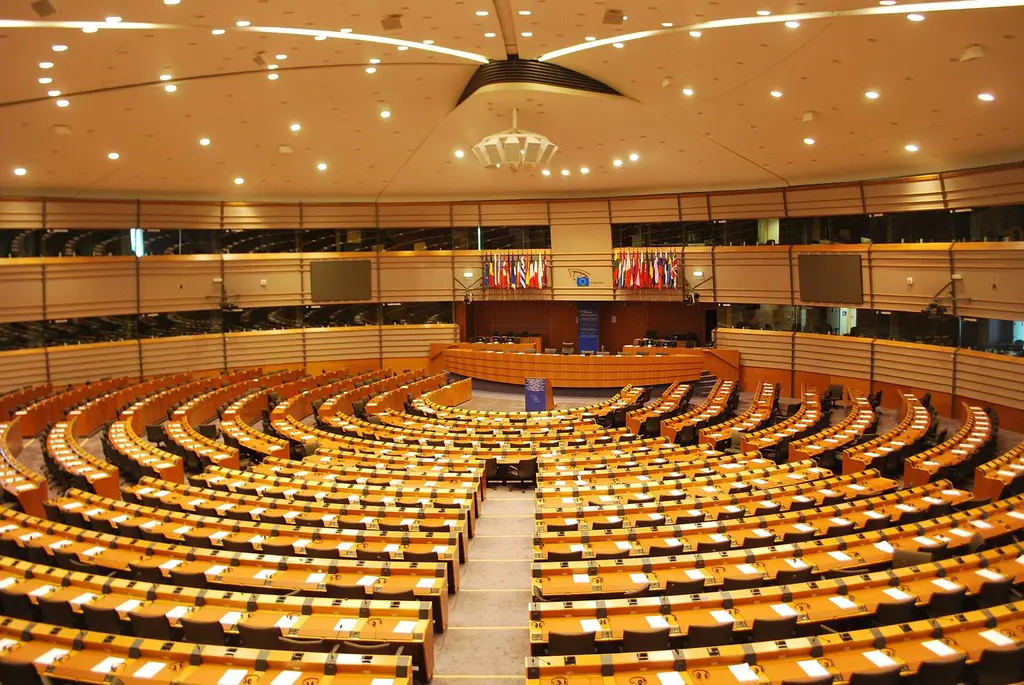
Europe has created legal markets for insect processed animal protein in aqua, poultry and pig feed. What it has not done is unlock the substrate base that would let black soldier fly producers operate as true waste-to-feed infrastructure.
That distinction matters more than most market reports admit. A plant can be legally allowed to sell insect protein into aquaculture, poultry or pig feed and still be forced to rear larvae on input streams that look much closer to conventional feed materials than to the messy organic residues that justify the sector’s circular-economy story.
The current European signal is therefore not a clean regulatory breakthrough. It is a policy tension. Brussels wants circular bioeconomy, protein autonomy and biomass efficiency, but the rules that govern what insects may eat still treat farmed insects as farmed animals inside the feed and animal-by-product system. Until that changes, substrate access remains one of the main structural limits on BSF economics in Europe. That protein-autonomy case is the same feed security and input sovereignty problem. The live marine-ingredient shock sits in Peru’s anchoveta fishing ban.
The feedstock bottleneck is a unit-economics problem
Substrate rules affect insect economics in at least four ways.
First, they determine whether producers are paid for waste treatment, pay for clean inputs, or operate somewhere in between. Gate fees are difficult to build into a model if the most abundant waste streams cannot be legally converted into feed-grade larvae.
Second, they affect geographic siting. If the legal input basket is narrow, a plant must compete for permitted side-streams near food processors, grain chains or other clean biomass sources. If the basket expands, the plant can be positioned closer to municipal, retail, catering, livestock or mixed agri-food residues, subject to treatment and traceability.
Third, substrate regulation changes product strategy. A material that may be acceptable for frass or technical uses may not be acceptable for feed-grade insect protein. A residue route could be valuable even if it does not lead to aquafeed or poultry feed, but only if the regulatory pathway for the resulting outputs is clear.
Fourth, it shapes investor risk. A plant designed around future substrate liberalisation carries a regulatory option, not a current operating right. That option may be valuable, but it should not be modelled as present-day feedstock access.
This is why the European insect sector often sounds more circular in investor decks than it can be in production permits. The legal feedstock base pushes operators toward cleaner, more controlled inputs. Those inputs are safer and easier to document, but they are also more competitive, more expensive and less differentiated from other uses.
What insect meal may be sold
The EU has progressively expanded where insect protein can be used. Output authorisation is real. It is also incomplete: it does not open the input markets that would change plant economics.
| Output market | Legal text | What it authorised |
|---|---|---|
| Aquaculture feed | Regulation (EU) 2017/893 | Processed animal protein derived from farmed insects |
| Poultry feed | Regulation (EU) 2021/1372 | Insect processed animal protein |
| Pig feed | Regulation (EU) 2021/1372 | Insect processed animal protein |
Regulation 2021/1372 noted that poultry are insectivorous, pigs are omnivorous and that there were no concerns with this feed material under the specified conditions.
That is commercially important. Aquaculture, poultry, pigs and pet food are not marginal outlets. They are the channels insect producers need if they want to move beyond novelty SKUs and small premium markets.
But output authorisation does not solve the input problem. The same regulatory architecture that allows insect protein into feed also defines insects bred for processed animal protein as farmed animals. That places the larvae inside the feed-ban and animal-by-product framework, including Regulation (EC) No 999/2001, Regulation (EC) No 1069/2009 and Regulation (EU) No 142/2011.
For operators, this is the core issue: the EU did not simply regulate the final meal. It regulated the larvae as part of the feed chain.
What insects may eat
The key sentence in Regulation 2017/893 is not about market approval. It is the sentence that says insects bred for processed animal protein are farmed animals and are therefore subject to feed-ban rules and animal-feeding rules. The regulation then states that the use of ruminant proteins, catering waste, meat-and-bone meal and manure as feed for insects is prohibited. It also points to the wider prohibition on faeces for animal nutritional purposes.
| Substrate | Status | Why insects cannot use it |
|---|---|---|
| Ruminant proteins | Prohibited as feed for insects | Insects bred for PAP are farmed animals, so feed-ban and animal-feeding rules apply |
| Catering waste | Prohibited as feed for insects | Same farmed-animal classification and feed-ban frame |
| Meat-and-bone meal | Prohibited as feed for insects | Same farmed-animal classification and feed-ban frame |
| Manure | Prohibited as feed for insects | Same farmed-animal classification and feed-ban frame |
| Faeces | Wider prohibition for animal nutritional purposes | Same farmed-animal / animal-feeding frame |
That list cuts directly into the BSF value proposition.
BSF biology is attractive because larvae can stabilise and valorise heterogeneous organic streams. But the EU feed pathway does not allow producers to treat every biologically suitable organic material as a legal feedstock. The most interesting low-cost streams are often precisely the ones with the highest regulatory friction: post-consumer food waste, catering waste, manures, mixed residues, materials with animal-origin contamination, or streams whose legal status becomes ambiguous once they are routed toward animal feed through insects.
Why the substrate bottleneck remains
The conservative position did not appear from nowhere. EFSA’s 2015 risk profile on insects as food and feed, surfaced by EFSA’s own search results for insect substrates and feed waste, highlighted that data on the transfer of chemical contaminants from different substrates to insects were very limited. It also tied safety conclusions to substrate quality, noting that substrates should not harbour ruminant or human-origin material such as manure.
That scientific framing is still visible in the legal structure. The regulatory concern is not whether BSF can grow on a material. It is whether contaminants, pathogens, prions, residues or other hazards can move through a substrate into larvae, derived proteins, oils, frass or downstream animals and humans.
For regulators, substrate liberalisation is therefore not a simple waste-policy decision. It touches feed safety, animal by-products, transmissible spongiform encephalopathy controls, traceability, HACCP, processing methods, contaminant monitoring and end-product use.
For producers, the result is a practical asymmetry: biology is faster than law. A pilot can show larvae performing on a residue stream long before the legal system is comfortable treating that stream as a feed input.
The 2026 signal is circularity, not substrate authorisation
The most relevant recent signal is not a new permission to feed insects with catering waste or manure. It is the sector’s push to make that problem politically visible.
IPIFF’s 2026 event, Insects for Europe: a Blueprint for EU Leadership in a Circular Bioeconomy, is framed around a binding EU action plan, regional biorefineries, integration of insect outputs into agri-food supply chains, harmonised End-of-Waste criteria and a clearer biomass value hierarchy. It explicitly connects insects to circular-bioeconomy infrastructure rather than only to protein ingredients.
That is useful. It moves the conversation toward the right bottleneck: not whether insect meal can be sold, but whether insect production can be integrated into regulated biomass flows at scale.
Still, it should not be misread. A policy event, a blueprint or an End-of-Waste discussion is not the same as authorisation. The commercial breakthrough would be a defined legal pathway for specific residue categories, with treatment requirements, monitoring obligations, accepted end uses and liability boundaries. Without that, operators still face the same question at permitting stage: what exactly are the larvae legally allowed to eat? A working plant still needs warehouse licenses, trays and a product plan; how to start a black soldier fly farm is that operator sequence.
What operators should track
The sector does not need another broad statement saying insects support circularity. It needs narrow, enforceable substrate pathways.
A meaningful European advance would look like one or more of the following: defined categories of former foodstuffs with clearer contamination thresholds, pilot authorisations for treated post-consumer streams, specific rules for insect production inside regional biorefineries, harmonised End-of-Waste treatment for selected biomass flows, or differentiated end uses depending on substrate risk. For example, some inputs might remain unsuitable for feed-grade larvae but could be assessed for non-feed outputs, frass pathways or technical products.
That would be more useful than a generic expansion of the word waste. Insect producers need bankable rules, not slogans. Feed companies need assurance that the ingredient will remain compliant. Farmers need clarity on frass. Insurers, auditors and competent authorities need monitoring points that can actually be checked.
The immediate question is not whether Europe is pro-insects. It broadly is, at least in policy language. The question is whether substrate law starts moving from prohibition-by-default toward risk-managed authorisation for specific residues.
The indicators worth tracking are concrete: amendments to the animal-by-product implementing rules, Commission work on End-of-Waste criteria relevant to biomass, EFSA opinions or mandates on insect substrates, member-state pilot schemes, IPIFF position papers that name specific residue categories, and any legal text that distinguishes between outputs for feed, fertiliser, technical uses and other markets.
Until then, the European BSF opportunity remains split. The market side has moved forward: insect PAP can reach more feed channels than it could a decade ago. The feedstock side has not moved enough. For a sector whose cost advantage is supposed to come from converting low-value organic streams into valuable outputs, that is still the decisive bottleneck.
Frequently asked questions
Which insect PAP outlets are open in the EU?
The EU has authorised insect processed animal protein for aquaculture feed under Regulation (EU) 2017/893, and for poultry feed and pig feed under Regulation (EU) 2021/1372. Aquaculture, poultry, pigs and pet food are not marginal outlets. Output authorisation is real, but it does not open the input markets that would change plant economics.
Which substrates stay banned as feed for farmed insects?
Regulation 2017/893 treats insects bred for processed animal protein as farmed animals, so feed-ban and animal-feeding rules apply. The use of ruminant proteins, catering waste, meat-and-bone meal and manure as feed for insects is prohibited. There is also a wider prohibition on faeces for animal nutritional purposes.
Why is substrate access the bottleneck for EU insect production?
Europe created legal markets for insect PAP in aqua, poultry and pig feed, but it has not unlocked the substrate base that would let black soldier fly producers operate as true waste-to-feed infrastructure. Substrate rules determine whether producers are paid for waste treatment or pay for clean inputs, affect geographic siting, change product strategy, and shape investor risk. Until substrate law changes, substrate access remains one of the main structural limits on BSF economics in Europe.
Did the 2026 circularity signal authorise catering waste or manure as insect feed?
No. The most relevant recent signal is not a new permission to feed insects with catering waste or manure. A policy event, a blueprint or an End-of-Waste discussion is not the same as authorisation. Operators still face the same question at permitting stage: what exactly are the larvae legally allowed to eat?