.jpg)
What’s Actually Happening with Ÿnsect
Judicial Liquidation Declared
On December 4, 2025, the Commercial Court of Évry, just south of Paris, officially ordered the judicial liquidation of Ÿnsect. The court found that despite multiple attempts, the company was unable to raise the funds required to support its planned business continuation. (petfoodindustry.com)
Sequence of Financial Troubles
- In September 2024, Ÿnsect filed for a safeguard procedure with the Évry court—a legal framework in France that allows distressed companies to reorganize, protect jobs, and manage debt under court supervision. (petfoodindustry.com)
- By February–March 2025, it requested to convert that safeguard into a judicial reorganization. The company admitted that it could not get agreement on financing for the recovery plan and was facing a cash flow deadlock. (maddyness.com)
- Throughout 2025, Ÿnsect negotiated with potential buyers, sought bridge financing, issued a tender offer for investors or a takeover, and froze or reduced activities in certain production sites. (bebeez.eu)
Attempts to Stay Afloat
- In April 2025, existing investors extended a €10 million bridge loan intended to maintain operations and buy time. (agfundernews.com)
- In June, another infusion of €8.6 million followed, but both were insufficient against the scale of losses and rising cost pressures. (globalpetindustry.com)
- Operational restructuring was under way. Ÿnsect launched trials of a lower-cost farming method that reportedly cut larvae production costs by over 70%, laid off significant portions of its workforce (reported: around 111 out of 194 staff), and scaled back automation. (globalpetindustry.com)
Why Liquidation Became Inevitable
- Over its lifespan since 2011, Ÿnsect raised approximately €600 million in public and private investments. (bebeez.eu)
- Despite the cash inflows, the company never turned profitable. In 2022, for instance, it recorded only about €568,000 in revenue against ~€90 million in losses. (lemonde.fr)
- Delays in constructing its flagship vertical farm in Poulainville (Somme)—including setbacks from COVID—and its ambitious push into multiple countries amplified costs and complexity. (maddyness.com)
- Competitive pressures—from conventional protein sources, lower-cost producers abroad, and difficult regulatory environments—strained margins. Investors grew wary as macroeconomic conditions tightened, notably rising interest rates. (globalpetindustry.com)
My Analysis: What Went Wrong
It’s not about assigning blame; there are clarity in missteps from which entrepreneurs in insect protein, especially BSF-focused, can learn.
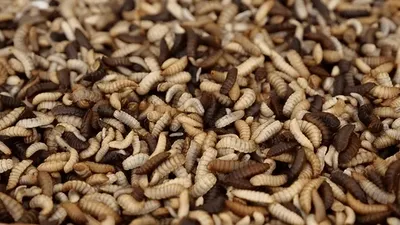
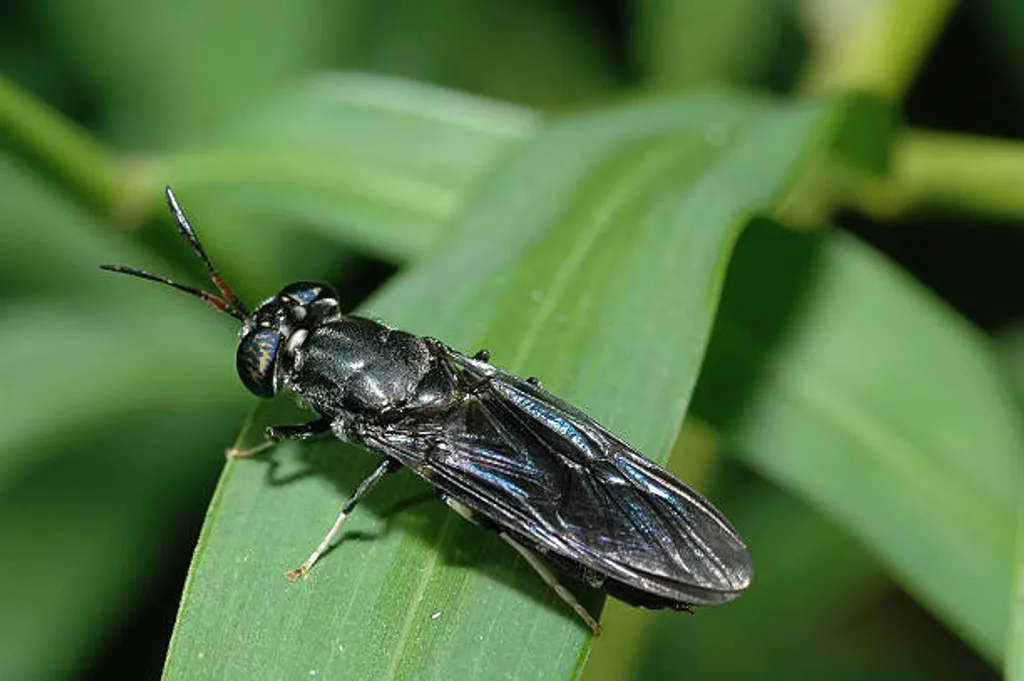
The Wrong Insect Choice The fundamental mistake was choosing Tenebrio molitor (mealworms) over Black Soldier Fly (BSF). The BSF life cycle is up to 7 times faster than mealworms, allowing for more production cycles per year and faster cash flow. Despite this massive difference in productivity, BSF larvae are similar in nutrient content to mealworms, making them a superior choice for commercial operations. This single decision handicapped Ÿnsect from the start.
Scale Ambitions Outpaced Early Proof Ÿnsect seemed to assume that scale and engineering innovation would drive economies of scale fast enough. But the vertical farm model, heavy on automation, high energy, and capital costs, was difficult to ramp up quickly. Early plants carried large fixed costs that couldn’t be amortized without large and steady orders, which never fully materialized. I believe this is the fate all huge macro farms will face—the economics simply don’t work at that scale.
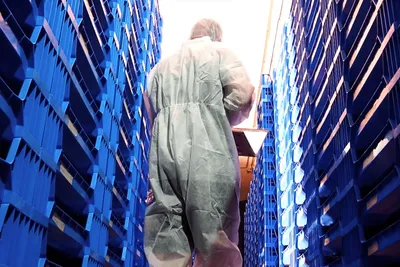
Over-Automation: The Expensive Mistake Trying to automate everything made the operation far more expensive than necessary. Machines often broke down, requiring specialized engineers to fix them. Production would pause during repairs, creating costly downtime. The huge capital expenditure (CAPEX) costs for the technology were astronomical, and maintenance costs remained persistently high. This approach made the cost per kilogram of protein uncompetitive.
Technical, Regulatory & Operational Complexities Producing reliable insect protein at industrial scale involves regulatory approvals, consistent input feedstock, quality control, processing, and often energy-intensive climate control. Mealworms are harder to farm economically in temperate climates than BSF might be. Ÿnsect also had to satisfy markets with strict regulations (pet food, human food). These added layers of cost and delay.
Wrong Market Positioning The greatest error was not trying to compete against fish meal on price, but instead trying to sell it as a premium protein. In reality, people want lower prices to buy insect protein—that’s why BSF shines. BSF can be produced at costs that compete directly with conventional protein sources, while Ÿnsect’s premium positioning put them out of reach for most potential customers.
Centralized Mega-Farms vs. Decentralized Production Ÿnsect’s model of massive, centralized production facilities is fundamentally flawed. We should be producing in a decentralized manner, close to food waste sources and clients. This reduces transportation costs, allows access to cheaper feedstock (under $20/ton), and creates more resilient supply chains. The future of insect farming is not in billion-dollar mega-facilities, but in networks of smaller, efficient operations.
What This Means for BSF Farming and the Industry
BSF (Black Soldier Fly) focused operations often claim several advantages relative to mealworms: faster growth cycles, ability to use lower-cost or waste feed, co-products like frass and insect oils. These features give BSF ventures a technical edge in some settings. But many of the challenges that undone Ÿnsect remain relevant:
- Ensuring regulatory compliance and food safety
- Scaling operations while minimizing capital and energy expenditures
- Securing consistent markets with acceptable pricing
One positive outcome is that the market is already waking up and learning that huge macro farms will never be able to compete. We need a network of decentralized farms, close to food sources (with feedstock lower than $20/ton), and BSF allows exactly this. Ÿnsect’s assets—especially R&D and pilot facilities—may now be acquired or repurposed, allowing knowledge and some infrastructure to survive. (globalpetindustry.com)
My Opinion: Key Lessons & Moving Forward
From where I sit, Ÿnsect’s collapse serves as a cautionary tale. It’s not that insect protein is unworkable, but businesses need to calibrate ambition with practicality.
Start Lean, Validate Early
Rather than building huge vertical farms from the outset, smaller scale operations that prove production processes, regulatory compliance, feedstock consistency, and market demand are much lower risk.
Multiple Revenue Streams You should focus on pet food but also on feed for animal production. Diversifying—from pet food to feed for animal production, fertilizer (frass), oils, human food (where allowed)—hedges against one market failing. However, this approach is not something that is recommended for Tenebrio molitor farms due to their longer life cycles and higher production costs.
Keep Capital Costs Low & Opex Transparent
Automated, high-tech approaches look impressive but often come with high fixed costs. Consider mixed models: some automation, some simpler scalable infrastructure.
Align Investor Expectations
Investors should understand that biological systems, technical approvals, and supply chain build-out take more time than “tech” ventures. Clarity on timelines, realistic financial modeling and transparency can help temper overpromising.
Focus on Cost Competitiveness
Irrespective of sustainability or environmental benefits, insect-derived proteins must compete on cost per unit with conventional protein sources like fishmeal, soy, etc. For BSF farms, that often means optimizing feedstock (using organic waste where legal), energy use, processing scale, and logistics.
The Technical Lessons for BSF Entrepreneurs
By comparing Ÿnsect’s path with what many BSF-focused enterprises are doing:
- BSF growth cycles tend to be shorter (larvae mature faster), meaning more cycles per year and faster feedback on process improvements.
- Feedstock flexibility: BSF can often be grown on organic wastes, even food by-products, reducing input cost significantly. Mealworms generally require cleaner, more formulated feed.
- Waste management: oil extraction and frass (organic fertilizer) can add substantial revenue. For ventures that ignore these, revenue potential may be under-realized.
From what I see, BSF farmers and startups that already emphasize these strengths—lean infrastructure, diversified outputs, regulatory compliance built in early—are much more likely to survive the tough market conditions Ÿnsect couldn’t overcome.