.jpg)
Introduction
Cold stress is one of the major environmental challenges that constrains plant growth, development, and ultimately yield. When temperatures drop below optimal levels—whether through chilling or freezing—plants suffer disrupted photosynthesis, compromised membrane integrity, excessive reactive oxygen species (ROS) build-up, and failure to maintain cellular metabolism. In regions with sharp cold snaps or high-altitude farming, these stresses can mean the difference between success or crop failure.
Two biostimulant tools have emerged in recent years as promising mitigators of cold stress: chitosan, a natural biopolymer derived from chitin, and plant growth-promoting bacteria (PGPB). Chitosan, especially in foliar or soil applications (including nanoparticle forms), is known to enhance antioxidant defenses, support nutrient uptake, and protect photosynthetic machinery. PGPBs—especially cold-adapted strains—bring benefits like hormone production, osmolyte synthesis, nutrient availability, root enhancement, and stress-responsive gene activation.
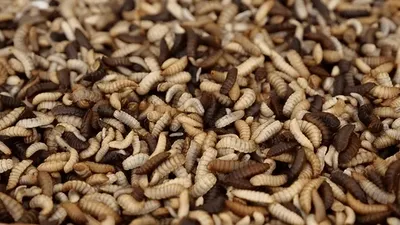
In parallel, Black Soldier Fly (BSF) farming offers an underexplored but highly sustainable source of chitin and thus chitosan. What if BSF-derived chitosan were combined with cold-tolerant PGPBs to help plants withstand cold? This post explores what the research tells us so far, how these systems might work together in synergy, practical implementation, and gaps in our knowledge.
What is Chitosan—and Why BSF-Sourced Chitosan Matters
Chitosan is produced via deacetylation of chitin, itself derived from exoskeletons of crustaceans, fungi, insects, or—increasingly—from BSF larvae and exuviae. Global chitosan production still predominantly uses marine shellfish waste, but BSF offers several advantages:
- Traceability & sustainability: BSF systems convert organic waste into valuable biomass; exoskeletons and exuviae are by-products that can be converted into chitin, then chitosan. Entoplast reports that chitin content in optimised BSF systems reaches up to ~35% of dry mass in certain streams. (entoplast.com)
- Reduced allergen risk: Shellfish chitosan carries risks of allergens; insect-derived chitosan may alleviate that.
- Circularity: Bringing BSF farming and chitosan extraction closes nutrient loops in agricultural systems. BSF chitosan has been proposed for water treatment, biostimulants, and biodegradable materials. (entoplast.com)
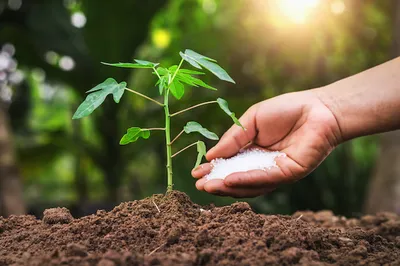
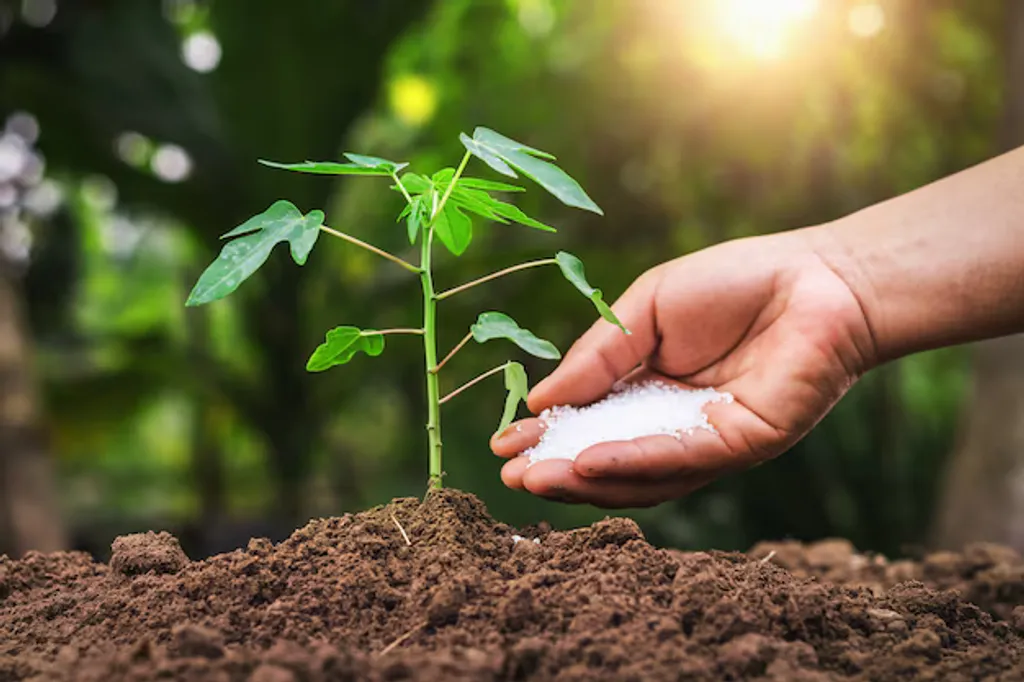
Chitosan, once applied, appears to prime plants—inducing stress defense mechanisms, improving photosynthetic performance, stabilizing membranes, and increasing antioxidant enzyme activity. The molecular weight, degree of deacetylation, concentration, and whether nano versions are used significantly influence its efficacy.
Cold-Tolerant PGPBs: What They Bring to the Table
PGPBs are a diverse group of bacteria (often genera like Pseudomonas, Bacillus, Serratia, etc.) that enhance plant growth via multiple mechanisms: nitrogen fixation, phosphorus solubilization, production of phytohormones (like IAA), secretion of ACC deaminase, siderophores, and osmoprotectants. When specifically cold-adapted, these bacteria can retain their beneficial functions even at low temperatures.
- A study in alpine grasslands of the Qilian Mountains (China) isolated dozens of cold-adapted PGPB from rhizospheres of native grasses. These isolates maintained traits like ACC deaminase, phosphorus solubilization, IAA secretion, even at 4 °C, and when inoculated into Elymus nutans seedlings, significantly improved root and shoot growth under low temperature. (pubmed.ncbi.nlm.nih.gov)
- Other works show that PGPBs enhance cold stress tolerance via improving osmolyte accumulation (proline, soluble sugars), driving antioxidant enzyme activity (SOD, POD, CAT), and modulating expression of cold-responsive genes or signaling pathways. (sciencedirect.com)
While many PGPB studies focus on freezing, heat, or drought stress, fewer directly test cold temperatures combined with biopolymer treatments like chitosan. That’s where synergies could be especially powerful.
Evidence: What the Research Shows for Chitosan under Cold Stress
There have been several high-quality studies showing how chitosan (or its nanoparticle forms) helps plants under cold or chilling stress.
- In Kobresia pygmaea, an alpine grass from Tibet, foliar application of chitosan at very low concentrations (0.005-0.015% w/v) under cold (4 °C) restored photosynthesis, protected chloroplast ultrastructure, increased chlorophyll and carotenoids, improved gas exchange parameters, enhanced nutrient uptake (Fe, Mg, N, P, K), boosted antioxidant enzyme activities (SOD, POD, APX), increased non-enzymatic antioxidants (ascorbic acid, glutathione), and upregulated cold-related genes such as KpBSK2, KpERF, KpDRE326. (pmc.ncbi.nlm.nih.gov)
- In banana (Musa acuminata var. Baxi), chitosan nanoparticles (CH-NPs) sprayed before chilling at 5 °C (72 h) helped mitigated damage: biomass (fresh and dry weight), chlorophyll content, proline, phenolic compounds increased, ROS and lipid peroxidation decreased; nutrient content (N, P, K, Ca, Fe) in the leaves also rose significantly under chitosan treatment compared to cold stress only. Effective concentrations ranged from 100 to 400 mg/L depending on trait. (pmc.ncbi.nlm.nih.gov)
These findings underline that chitosan alone can perform quite well in cold stress mitigation. The obvious question: can we further improve outcomes by combining with PGPBs?
Synergy Potential: Chitosan + Cold-Adapted PGPBs
While no published study (to my knowledge) yet tests all three together—BSF-sourced chitosan + cold-adapted PGPBs + plant cold stress—there are strong signals of synergy in existing studies combining chitosan (or chitosan NPs) with PGPBs under other stress types, as well as parallel functions under cold stress. Key observations:
- Co-treatments of PGPB with chitosan nanoparticles have been shown to improve nutrient absorption, disease resistance, stress marker gene expression, antioxidant enzyme activities, root and shoot growth more than either treatment alone. (frontiersin.org)
- A recent study (September 2025) reports that Micromonospora sp. (a PGPB) plus chitosan nanoparticles (CSNPs) jointly improved chickpea yield, seed quality (protein, fibre, lipid content), nutrient uptake, and metabolic shifts. Their co-application enhanced nitrogen and amino acid metabolism in the plant. Although this was not under cold stress per se, it strongly suggests that combining PGPBs and chitosan holds promise under multiple stress types. (sciencedirect.com)
Putting this together: the mechanisms through which chitosan acts in cold stress (antioxidant activity increase, membrane stability, gene induction, osmolyte accumulation) are highly compatible with the benefits of cold-adapted PGPBs (hormone production, root growth, nutrient uptake, osmotic balance). Synergy could mean greater cold tolerance than either alone. BSF-derived chitosan adds another sustainable dimension—yielding biopolymer from farm waste.
Practical Guide: Implementing BSF Chitosan + Cold-Adapted PGPBs
If you run a BSF farm and want to try this idea on your crops, here are detailed steps and considerations:
1. Extracting Chitosan from BSF
- Collect exuviae, non-viable larvae, or frass.
- Process: demineralization (remove minerals), deproteinization, and deacetylation to yield chitosan with high degree of deacetylation (>90 %) for effectiveness.
- Optional: prepare nanoparticles (CH-NPs) if you have facility; nanoparticles often enhance uptake and stimulus effects.
2. Selecting PGPB Strains
- Favor strains isolated from cold or alpine environments: they should maintain function (IAA, ACC deaminase, nutrient solubilization, siderophore production) at low temperatures (≈ 4-10 °C).
- Test compatibility with chitosan: some chitosan doses may inhibit bacterial growth depending on molecular weight or concentration. Pilot tests are essential.
3. Treatment Design & Timing
- Apply PGPB before cold stress onset (e.g. seed inoculation or root/soil treatment) so bacteria are established.
- Foliar spray of chitosan (or CH-NPs) just before or early during chilling period.
- Dosage: for chitosan, from Kobresia, roughly 0.015% (~150 mg/L) was effective; for banana, CH-NPs at 100-400 mg/L showed improvement. For PGPBs, typical inoculation densities and volume depend on bacteria and method—aim for standard CFU per gram or per seed.
4. Application Methods
- Foliar chitosan sprays, possibly with surfactants, to cover leaves.
- Seed/soil/biomass inoculation of PGPBs.
- Consider formulations: chitosan beads or nanoparticles may offer slow release; embedding PGPBs in chitosan formulations (beads or carriers) can enhance their survival and colonization.
5. Monitoring & Measuring Effects
- Growth metrics: plant height, biomass (fresh + dry), leaf area.
- Photosynthetic activity: net photosynthesis rate (Pn), stomatal conductance, chlorophyll content, PSII efficiency (Fv/Fm, φPSII).
- Oxidative stress markers: ROS levels, malondialdehyde (MDA), antioxidant enzyme activity (SOD, POD, APX).
- Osmolytes & metabolites: soluble sugars, proline, others.
- Gene expression: cold response genes (e.g. DREBs, ERFs, BSK/BR signaling kinases).
Examples of Experimental Protocols from Literature
| Plant | Chitosan Treatment | Outcomes under Cold Stress |
|---|---|---|
| Kobresia pygmaea | Foliar seedling spray with chitosan 0.005–0.02% w/v; 0.015% gave optimal results; cold exposure at 4 °C for 14 days | Photosynthesis metrics restored, significantly higher antioxidant enzymes, gene expression of KpBSK2, KpERF, KpDRE326 enhanced; nutrient content (Fe, Mg, etc.) preserved. (pmc.ncbi.nlm.nih.gov) |
| Banana (Musa var. Baxi) | Chitosan nanoparticles (100-400 mg/L), foliar spray, cold exposure at 5 °C for 72 h | Improved fresh/dry weight, chlorophyll, proline, phenolics; reduced ROS & MDA; nutrient status improved (N, P, K, Ca, Fe). (pmc.ncbi.nlm.nih.gov) |
These serve as baselines. Using BSF-derived chitosan should aim for similar or better responses, while combining with PGPB may further amplify effects.
Challenges, Unknowns & Research Gaps
- There is no published study yet combining BSF-sourced chitosan, cold-adapted PGPBs, and cold stress in plants—this is novel territory.
- Compatibility issues: chitosan (especially nano forms) might inhibit some bacterial strains under certain concentrations.
- Molecular weight, degree of deacetylation, formulation (nano vs bulk) remain crucial variables, poorly standardized across studies.
- Long-term field trials under natural cold stress (vs controlled chambers) are rare.
- Scaling up extraction of BSF chitosan, producing nanoparticle chitosan, and ensuring PGPB inoculum viability at scale may be resource-intensive.