.jpg)
Organic by-products rich in lignocellulose—think of straw, corn cobs, fruit peels, and wood chips—are everywhere. Yet because their fibers and lignin content make them hard to digest, they often end up as low-value mulch or worse: waste. A recent review published on ScienceDirect has explored how combining pretreatment methods with Black Soldier Fly larvae bioconversion can change this equation entirely, revealing powerful synergies that bring greater value to previously difficult biomass.
1. What the Progressive Review Finds
The review “Closing the loop with pretreatment and black soldier fly technology for recycling lignocellulose-rich organic by-products: A progressive review” lays out several key insights:
- Organic Agricultural Biomass (OAB), materials high in cellulose, hemicellulose, and lignin, make up large, challenging fractions of agricultural by-products. Pretreatment—physical, chemical, physico-chemical, or biological—is essential to break down these structures. (sciencedirect.com)
- Pretreatment improves enzymatic hydrolysis: it increases enzyme access to polysaccharide polymers, partially removes lignin and hemicellulose, and reduces the crystallinity of cellulose. These changes make the substrate more digestible for BSF larvae. (sciencedirect.com)
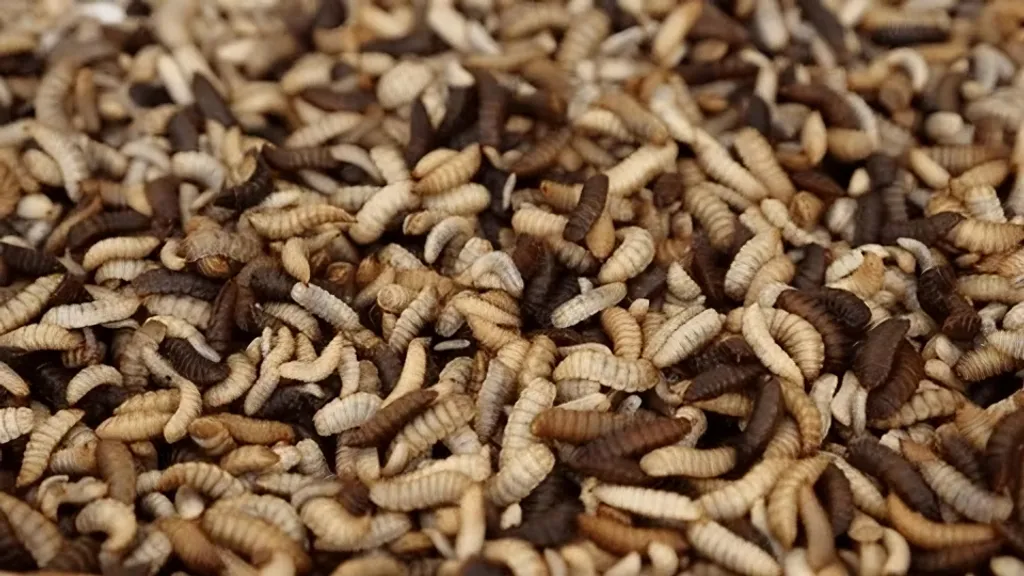
- Once pretreated, these substrates can be fed to BSFL (Hermetia illucens L.), which converts them into valuable biomass—protein, fats—and produces frass (organic fertilizer) in more efficient, circular ways. (sciencedirect.com)
- Regulation plays a role. In the EU, for example, feed materials for BSFL must comply with rules that disallow certain waste types (e.g. meat, fish, abattoir waste) as rearing substrates. (sciencedirect.com)
2. Recent Research & Real-World Data Strengthening the Case
Some newer studies give real data that validates the review’s projections:
-
Valorisation in urban organic waste in Nepal: A study rearing BSFL on different urban waste types (restaurant, kitchen, fruit, vegetable, butchery chicken) found that restaurant and kitchen wastes yielded the highest growth rates, with waste reduction above 70%. Larvae fed restaurant waste grew to ~37% protein (dry matter), whereas larval mortality was very high (≈76%) when using butchery waste. (sciencedirect.com)
-
Neeri study in India: Researchers found BSF larvae can decompose up to 83.77% of agricultural and food waste, converting ~25% of consumed waste into biomass. Frass produced has a strong nutrient profile (good NPK ratio), and pathogens like E. coli and Shigella dropped by over 85%. The larvae’s fats are also being explored for biofuel. (timesofindia.indiatimes.com)
3. Pretreatment Methods & Their Effects
Based on the review and recent studies, here are how different pretreatment methods perform—individually and in combination—with respect to BSFL bioconversion, and practical impacts.
| Pretreatment Type | Typical Process | What It Does | Effect on BSFL Bioconversion |
|---|---|---|---|
| Physical (e.g. grinding, milling, steaming) | Reduce particle size, open structure | Boosts surface area; faster moisture penetration | Larval weight gain up; digestion more efficient |
| Chemical (alkali, acid, oxidation) | Solubilize lignin or hemicellulose; partial separation | Enables enzymes or gut microbes better access to cellulose | Higher degradation rates; more protein/fat conversion |
| Biological (microbes, enzymes) | Fermentation; use of microbial consortia; enzyme treatments | Degradation of recalcitrant polymers; prepping substrate for BSFL | Increased waste reduction, improved biomass quality |
| Physico-chemical combinations | Steam explosion; acid + heat; chemical + microbial | Rapid disruption of cell walls; deals with both structure and inhibitors | Some of the highest performance in lab studies when well-balanced |
Recent experimental work has shown that combining frass fermentation + BSFL feeding cycles boosts lignocellulose breakdown in maize straw by ~68–100% for different fractions (cellulose, hemicellulose, lignin) compared to untreated controls. Key bacterial genera like Enterococcus, Actinobacteria, Gammaproteobacteria_unclassified, and Dysgonomonas appear to play critical roles. (sciencedirect.com)
4. Why This Matters for Farms, Startups, and Sustainability
Turning tough biomass into high-value products matters for multiple reasons:
-
Feed alternatives: As livestock feed costs and soy/fishmeal supply issues rise, BSFL grown on by-products offer a local, sustainable protein substitute. The Nepal study showed larval biomass with ~37% protein from restaurant waste. (sciencedirect.com)
-
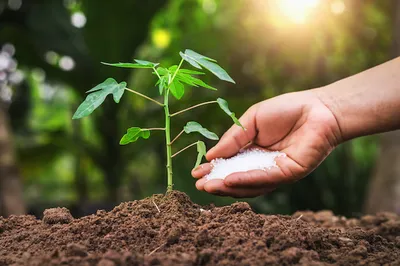
Fertiliser & soil health: Frass, the residue left by larvae, is rich in nitrogen, phosphorus, potassium (NPK) and carries beneficial microbes. Using it reduces dependency on synthetic fertilisers, and can improve soil structure and microbial health. (timesofindia.indiatimes.com)
-
Environmental impact: High reductions in organic waste (65-80%), lowering of greenhouse gas emissions by keeping material out of landfills, reduction of pathogens. (sciencedirect.com)
-
Circular economy & market growth: With growing consumer demand for sustainable pet food, aquafeed, and protein alternatives, investment in BSF systems is rising, with modular farms being developed to lower costs and increase scalability. (rss.globenewswire.com)
5. Real-World Use Cases & Applications
Some recent examples show how this is being done in practice, and the benefits that are emerging:
-
Nepal urban waste valorisation project: Using restaurant and kitchen waste, BSFL farms achieved over 70% waste reduction, produced larvae with ~37% protein, and unearthed how substrate quality affects larval mortality and development. (sciencedirect.com)
-
India (CSIR-NEERI): Demonstrated that BSFL composting can decompose over 83% of food and agricultural waste, while converting ~25% into biomass. Frass was effective as fertiliser, fats are examined for biofuel, and pathogen levels dropped by over 85%. (timesofindia.indiatimes.com)
-
Modular farm innovations: Companies are now deploying mobile or modular BSF farms which cut capital and operational costs by up to 75%. These systems allow for decentralised insect production, using locally available organic waste streams. (rss.globenewswire.com)
6. Key Challenges to Address
While successes are growing, several key hurdles remain before widescale adoption:
-
Pretreatment costs: Equipment, enzymes, chemicals, and energy use can be expensive, especially in low income settings. The balance of additive cost vs biomass gain is still being optimised.
-
Substrate consistency & safety: Availability, moisture content, fiber makeup, presence of toxins or pathogens vary greatly from waste stream to waste stream. Inconsistent substrates reduce efficiency; contaminated ones can threaten safety.
-
Regulatory frameworks: Laws differ across regions about what BSFL can be fed, and whether insect-protein or frass can be used in feed or fertilisers. For example, the EU approves BSF protein for poultry and pig feed only if substrate is plant derived and free of certain risk materials. (sciencedirect.com)
-
Genetic & microbiome adaptation: Different strains of BSF perform differently on varied substrates; likewise the microbiome of larval guts influences performance. Research into selecting for strains or microbiota that handle lignocellulosic substrates better is ongoing.
7. How to Apply These Insights If You’re Starting BSF with Lignocellulosic By-Products
Here are steps to help turn theory into practice:
-
Select pretreatment method that matches your scale & resources: if you’re small-scale, physical pretreatment (chopping, grinding, perhaps steaming) may be affordable. Larger operations may invest in microbial/enzymatic pretreatments.
-
Pilot small batches: experiment with different waste types, measure larval growth, waste reduction, protein/fat content, mortality rates, and frass quality. It helps refine what works locally.
-
Monitor environmental parameters: moisture, temperature, larval density, substrate pH—all affect outcomes significantly. Even small deviations can reduce efficiency.
-
Ensure safety and compliance: test for pathogens in frass and larvae; follow local regulations for feed or fertiliser use. Be cautious with waste streams that may contain toxins.
-
Design for all outputs: Not just larvae, but frass, any extracted fats for biofuel, perhaps chitin, antimicrobial peptides—every byproduct has value.
-
Plan supply chains & business model: substrates must be locally available; markets for larvae meal, biofertiliser, and oils must exist. If possible, integrate with local agri-waste managers or municipal systems to source feeds at low cost.
8. What’s Emerging: Research & Innovation Trends
Looking ahead, several areas are attracting attention:
-
Frass fermentation + BSFL feeding cycles: Studies like the maize straw work show using frass from earlier cycles enhances microbial activity, improving subsequent degradation. (sciencedirect.com)
-
Microbial community engineering: Unpacking the gut microbiota, isolating key bacteria (e.g. Dysgonomonas, Enterococcus), and perhaps inoculating substrates or BSFL to improve digestibility.
-
Integrated waste treatment systems: Combining BSF with technologies like anaerobic digestion or other bioenergy systems to get multiple outputs (energy, fertilizer, protein) from the same waste stream.
-
Regulation & standards development: As markets for insect protein, frass, and insect-derived bio-products grow, consistent regulatory frameworks are essential. This includes safety, quality, and environmental impact.
-
Modular, cost-efficient farms: Fully modular or mobile systems, close to waste generation sources, to keep substrate logistics low, reduce transportation footprint, and allow faster scaling. Modular farms have been shown to cut setup costs by up to 75%. (rss.globenewswire.com)
Bottom Line
The growing body of research confirms what many practitioners have long suspected: pretreatment is the key that unlocks lignocellulose-rich organic by-products for effective BSF bioconversion. With smarter substrate preparation, attentive process control, and supportive policies, BSF farms are not just processing waste—they’re turning it into feed, fertiliser, biofuel, and broader value, contributing to healthier soils, cleaner environments, and circular economies everywhere.