Page 3 of 4
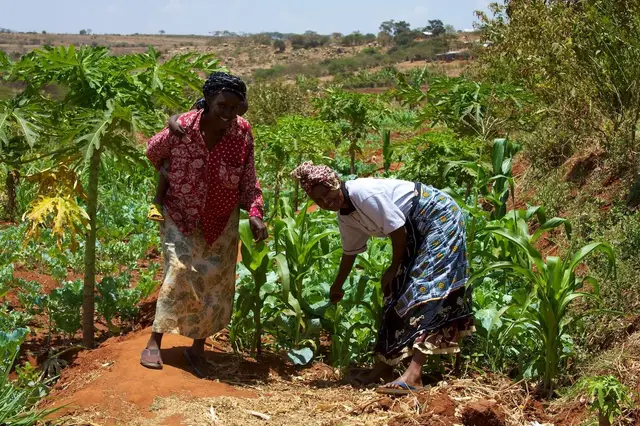
Exploring how BSF farming scaled with VIPP creates a circular, One Health system in Kenya, Rwanda and Uganda
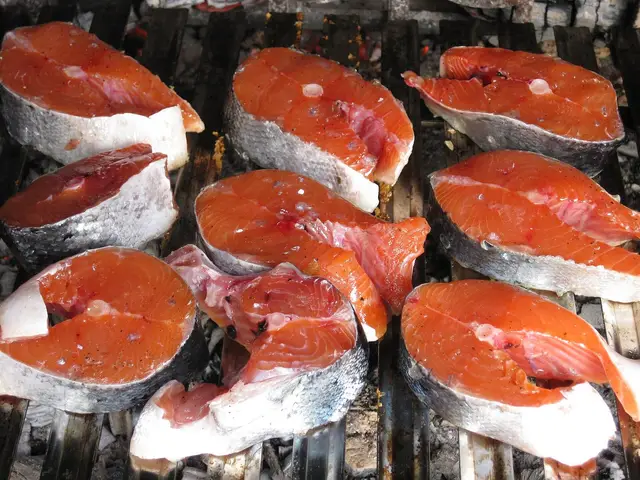
A 30-study meta-analysis: BSF meal helps carp and trout fillet quality more than gilthead seabream and salmon. Inclusion and species decide the trade-off.
Ÿnsect entered judicial liquidation on 4 December 2025 at Évry. About €600 million raised. 2022: ~€568,000 revenue against ~€90 million losses.
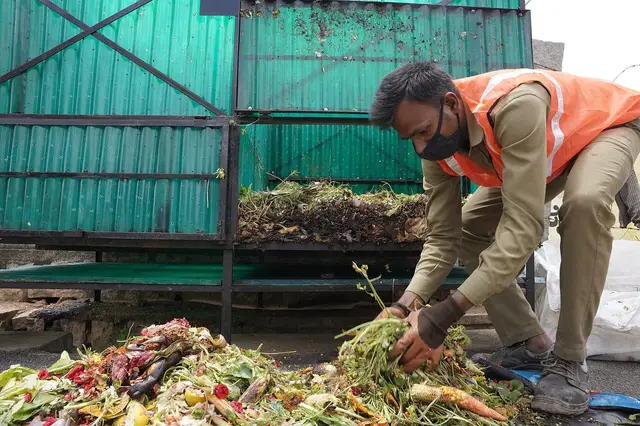
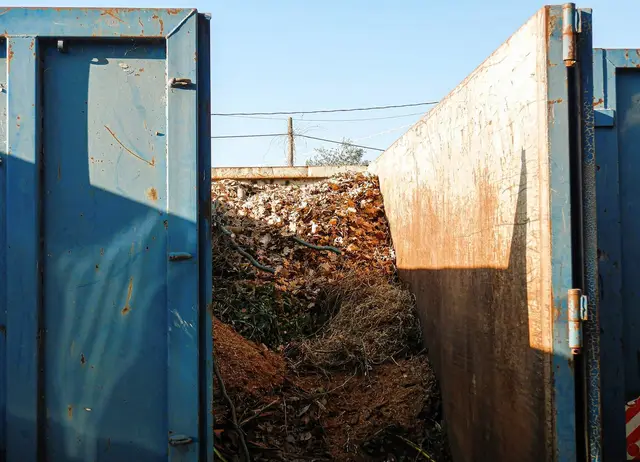
Bengaluru produces about 8,000 t/day of solid waste. The BSF plan: Terra Firma revival, Doddaballapur land, and four plants including Bidadi and Kanakapura.
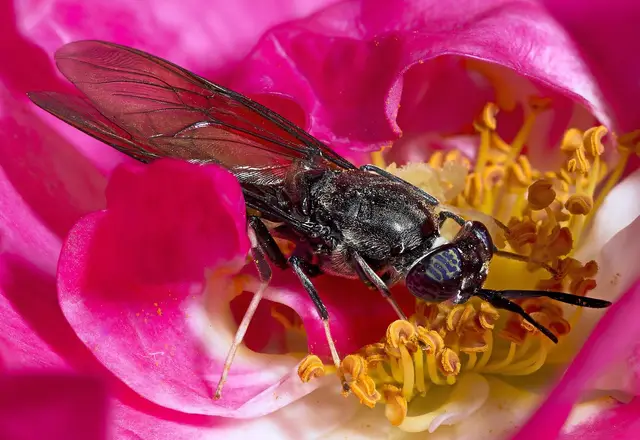
How new discoveries in BSF bioactives and frass quality are converging to transform feed and fertilizer, and what BSF producers should know to stay ahead
2025 BSF studies: antioxidant peptides PFCPK and ADFW, antimicrobial fractions, and gut-microbiome shifts that change feed formulation.
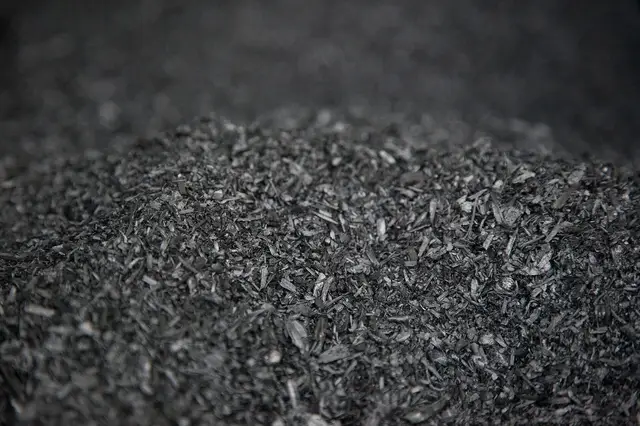
Exploring how black soldier fly larvae frass combined with biochar can enhance soil fertility, microbial life, and crop growth under drought stress.
BSF-derived materials beyond feed: chitin and chitosan, larval oil (lauric acid) and frass moving into cosmetics and experimental bioplastics.
Exploring how Black Soldier Fly farming is driving the transition to circular agriculture through markets, innovations, and sustainable solutions toward 2035.
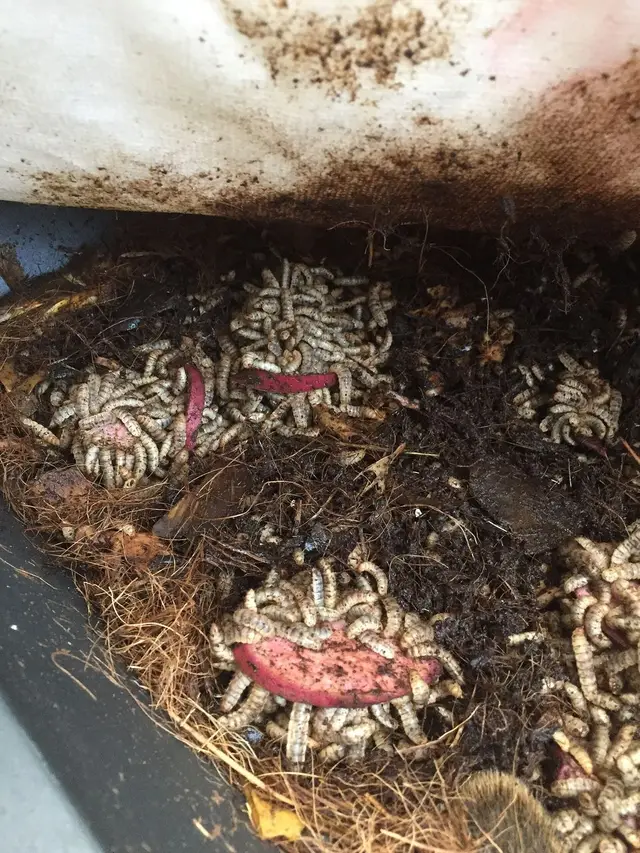
Modular BSF farms can cut infrastructure cost by up to 75%. The harder problem is the patchwork: EU substrates, US AAFCO/FDA, Asia-Pacific export rules.
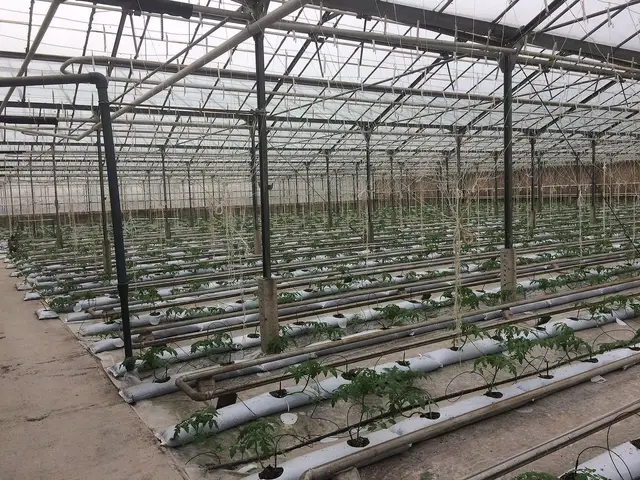
European poultry feed is ~70% of cost. Soy hit €514/t in 2022. EU 2023/1115 deforestation rules and on-farm BSF are the exit path in this post.
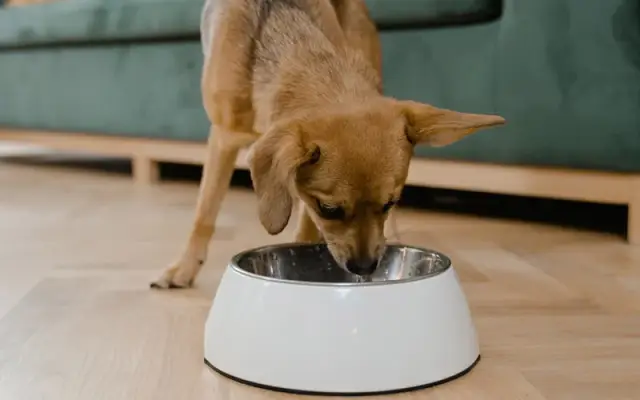
The pet food industry is increasingly innovating by adopting insect protein, especially Black Soldier Fly insect meal. What are the advantages?
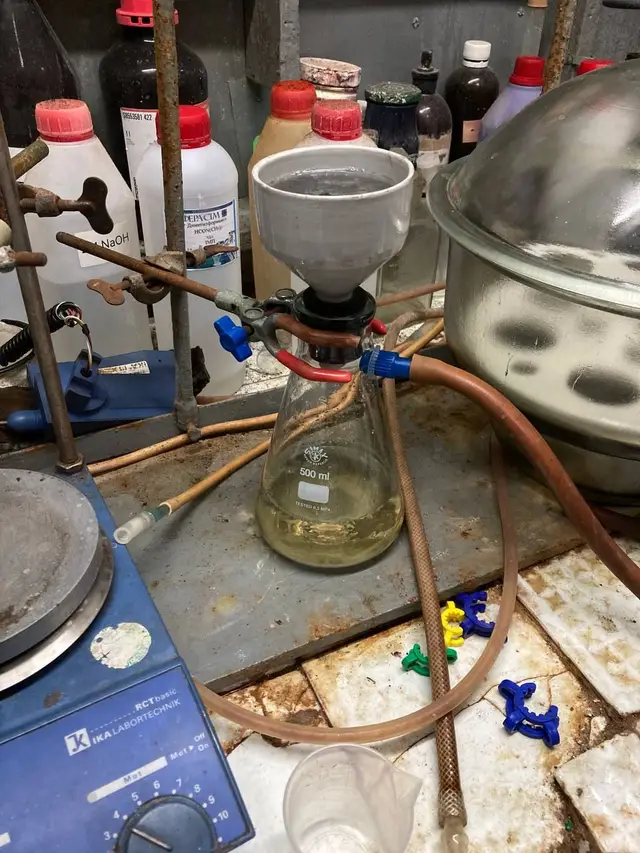
Black soldier fly larvae turn waste into biofuel: about 15% of body weight as fats, then non-catalytic transesterification into biodiesel.
Controlling pests in BSF farms: moths, mites, spiders, houseflies. Insectius uses 4–5 cameras and computer vision to monitor 24/7.
We use cookies to improve your experience and analyze website traffic. By clicking "Accept All", you consent to our use of cookies for analytics and marketing purposes. Read our privacy and cookie policy